
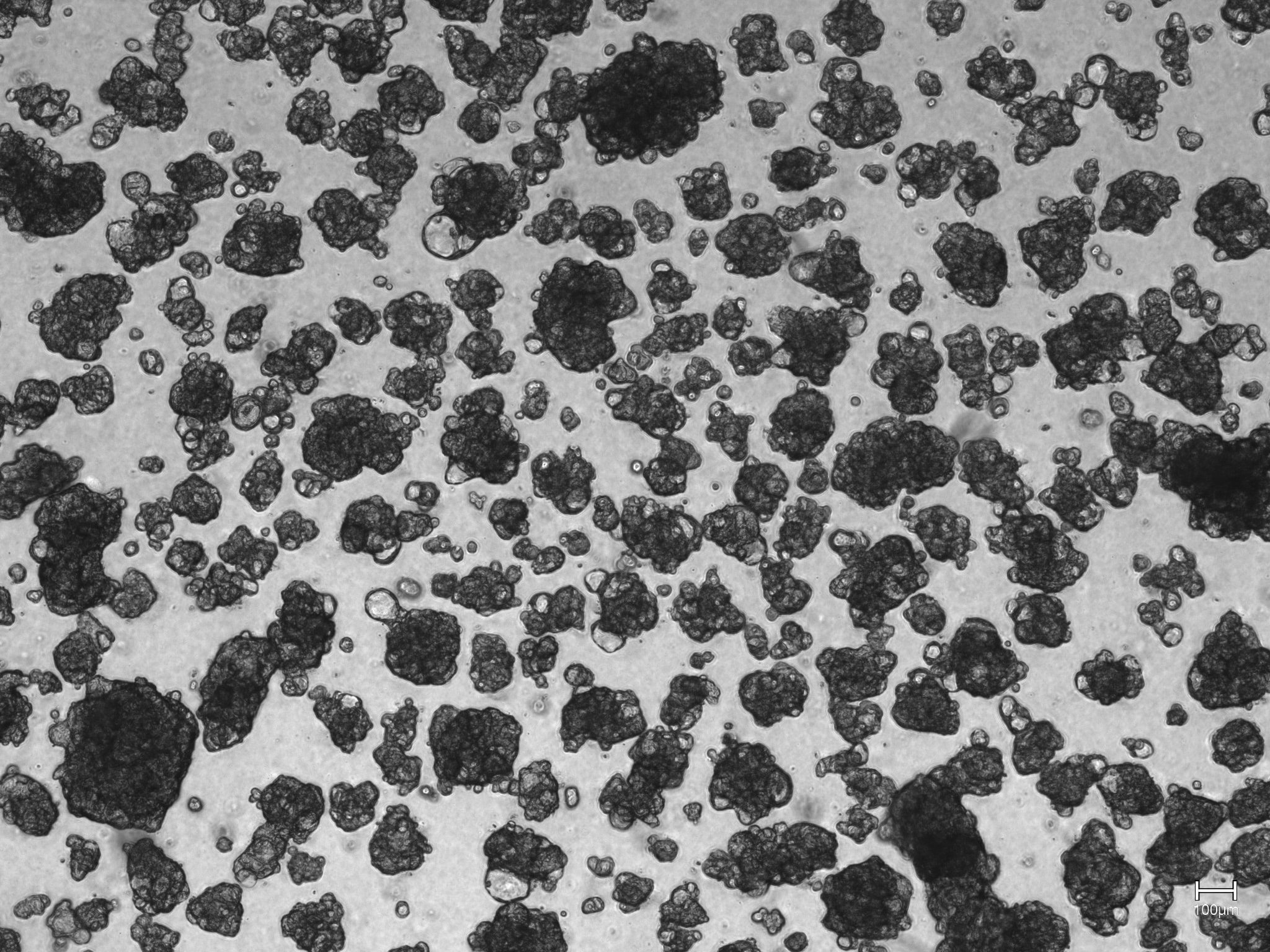
Oncosyne has expanded the clinical study within the INVICTA project to include both chemotherapy-naïve and chemotherapy-treated patients with pancreatic cancer. The expanded study broadens the diversity of patient samples available for research and accelerates the growth of a clinically and molecularly annotated biobank of patient-derived pancreatic cancer tumoroids.
Developed in collaboration with Sahlgrenska University Hospital and the Hybrid Technology Hub (HTH) at the University of Oslo, the expanded cohort strengthens the foundation for translational research by capturing the biological heterogeneity of pancreatic cancer across different stages of disease and treatment.
Each patient-derived tumoroid is linked to comprehensive clinical and molecular data, creating a valuable resource for investigating treatment response, mechanisms of resistance, and biomarker development. The expanded biobank will support both internal research and collaborative projects with pharmaceutical and biotechnology partners developing new therapies for pancreatic cancer.
By increasing the diversity of clinically relevant patient-derived models, Oncosyne aims to generate more predictive preclinical data that supports translational research, reduces development risk, and advances precision oncology.
The expanded patient cohort will also support the evaluation of new technologies being developed through the INVICTA project, including Oncosyne’s next-generation organ-on-a-chip co-culture module.
The INVICTA project is funded by The Research Council of Norway. Oncosyne also thanks its collaborators at Sahlgrenska University Hospital and the Hybrid Technology Hub, University of Oslo, for their continued partnership, and extends its sincere gratitude to the patients participating in the study, whose contribution makes this research possible.